

Shenzhen BLC Technology Co., Ltd. is a national high-tech enterprise integrating the production, sales and service of full-color LED displays, committed to providing customers with comprehensive LED product solutions.

our
thinking
About us
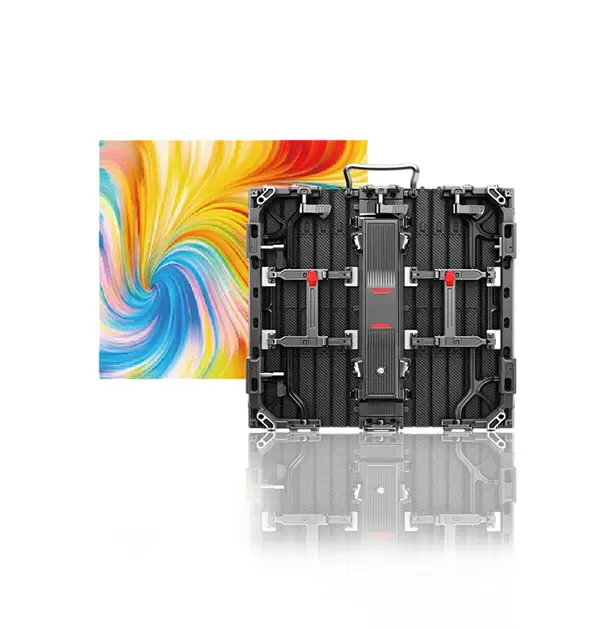
Everlight Technology always adheres to the value orientation of "customer first, passion and responsibility, innovation and focus, efficiency and win-win", providing customers with high-quality products and services suitable for the market, and is committed to becoming a leader in the global LED display field.
Learn more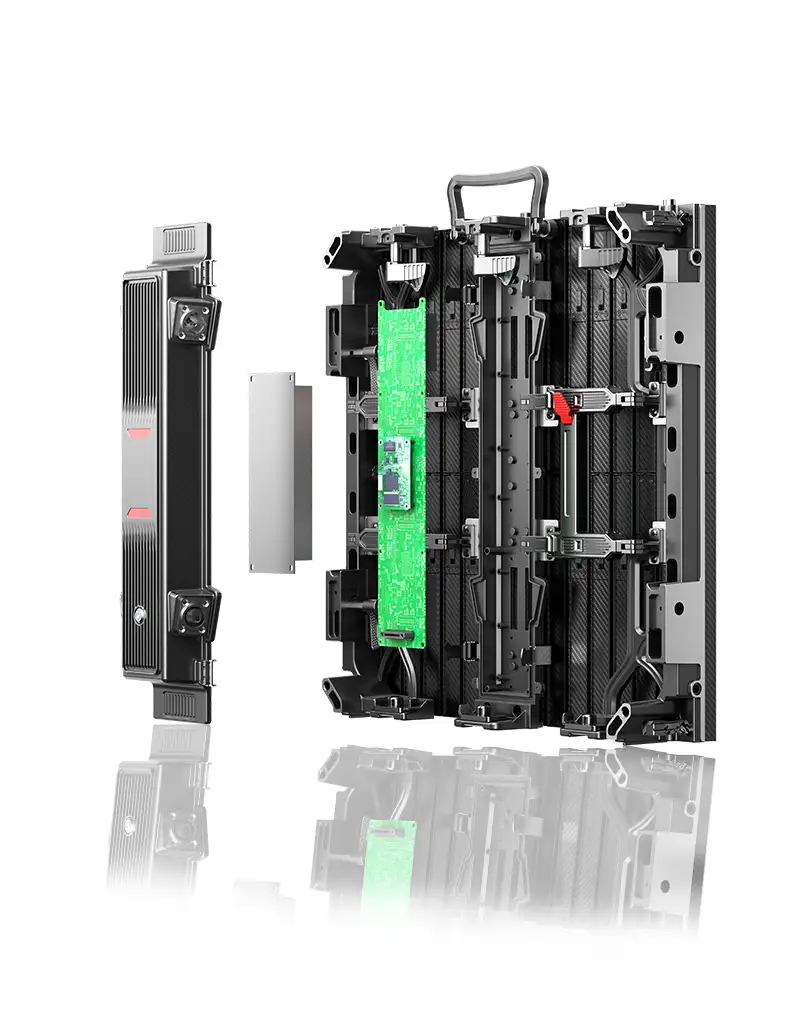

.Long-term Guarantee
Regular follow-ups + free maintenance, keeping the screen always in good condition
.Industry Certification
ISO 9001/27001 dual system certification; CE, RoHS, FCC international certifications
our
Achievement
our fun facts
Professionalism creates value, quality builds brand

Exporting country
0+
Monthly production capacity
0㎡
happy customer
0+
our
case
case
Our portfolio is a testament to our unwavering commitment to excellence in furniture design and creation. Each project, whether it's a cozy residential space, a bustling commercial establishment, or a high - end luxury villa, is approached with a blend of creativity, functionality, and sustainability.
- latest products
Products
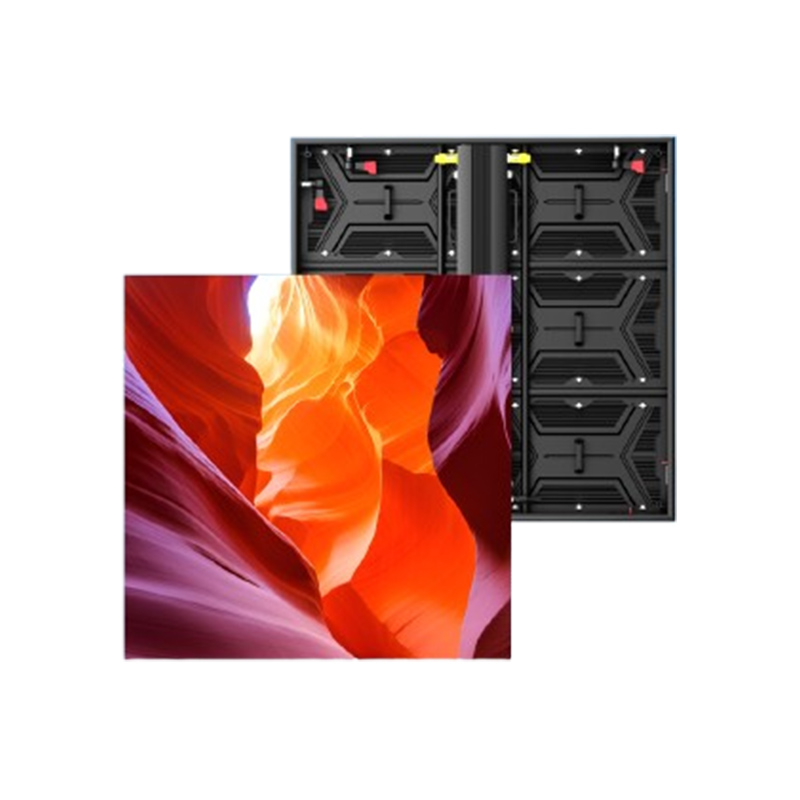
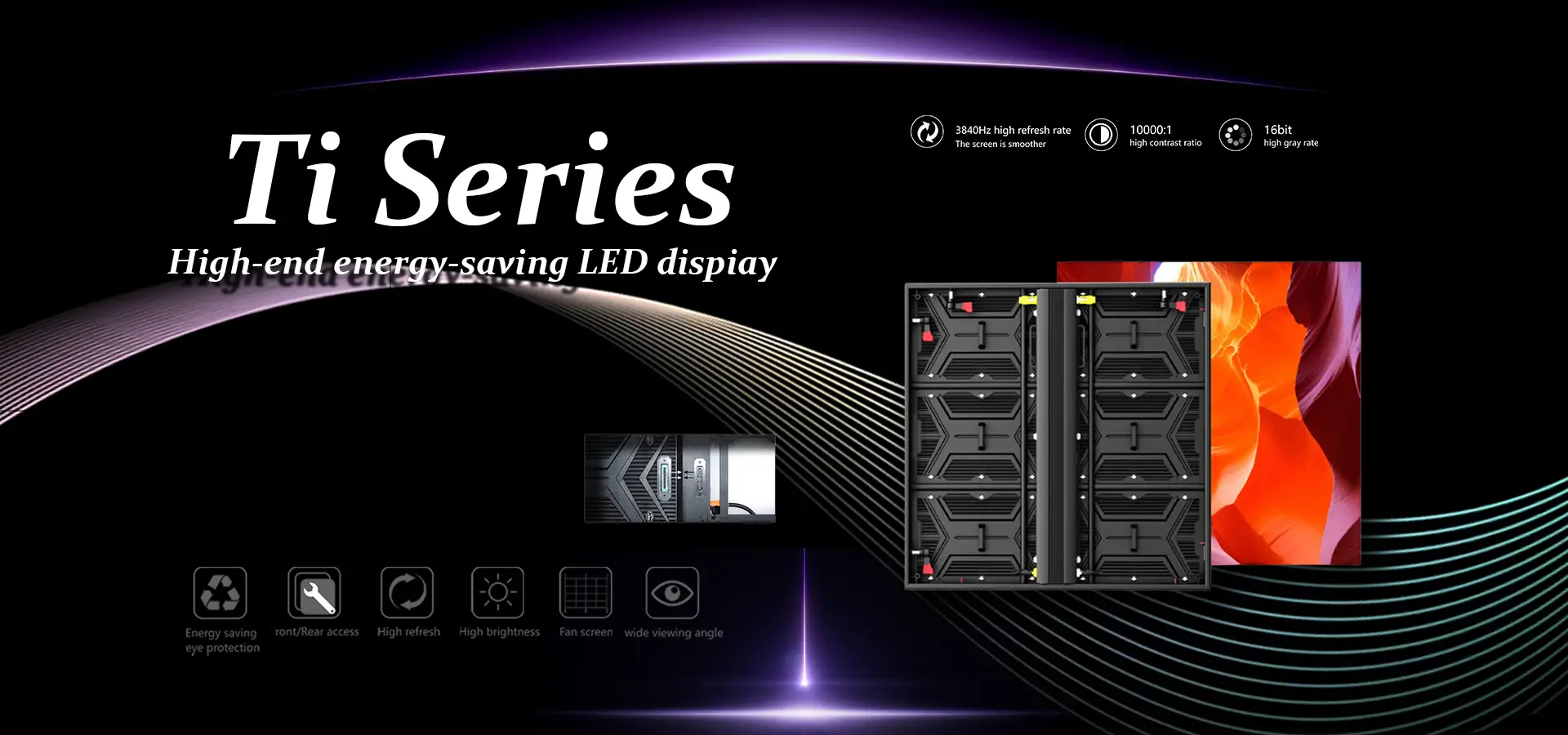
Outdoor Ti Series 960×960
Aluminum profile cabinet is light weight, which saves tranportation cost and installation cost
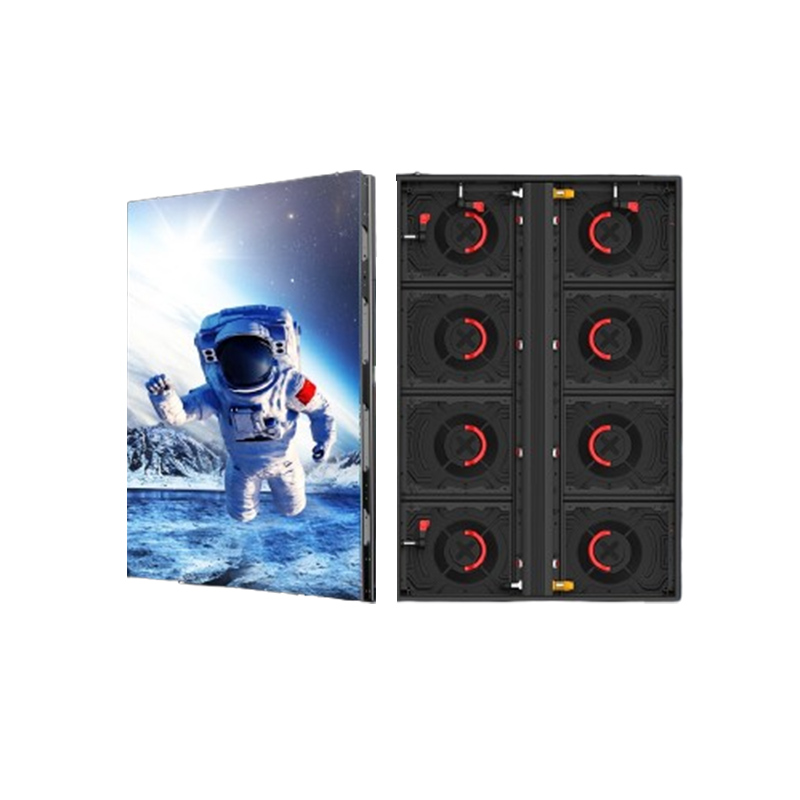
Outdoor ES Series 800×900
Aluminum profile cabinet is light weight, which saves tranportation cost and installation cost
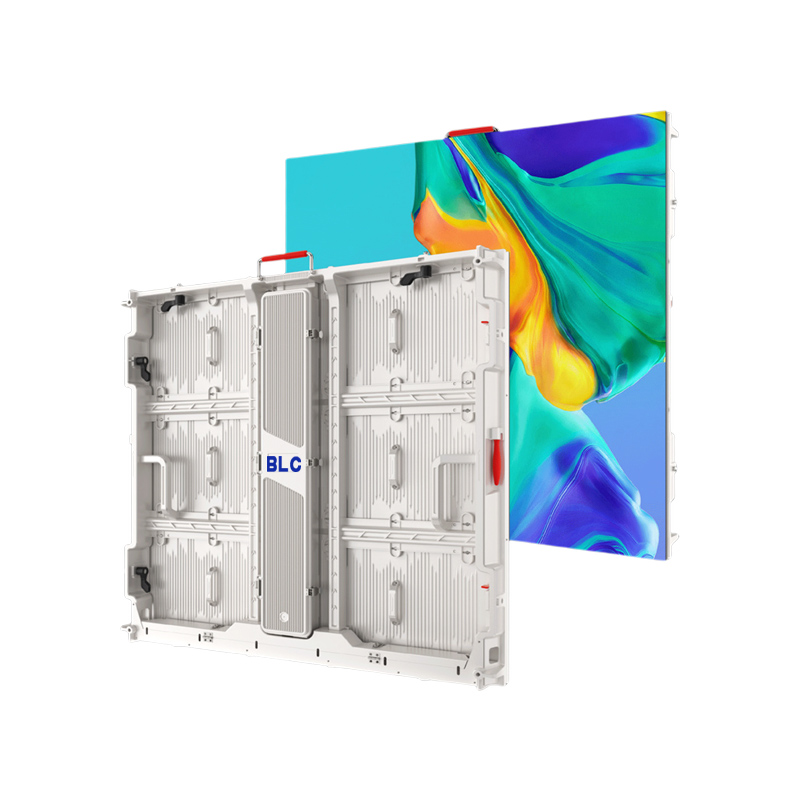
Outdoor BDW Series 960×960
Aluminum profiles and plastic cabinets are lightweight, reducing transportation and installation costs.
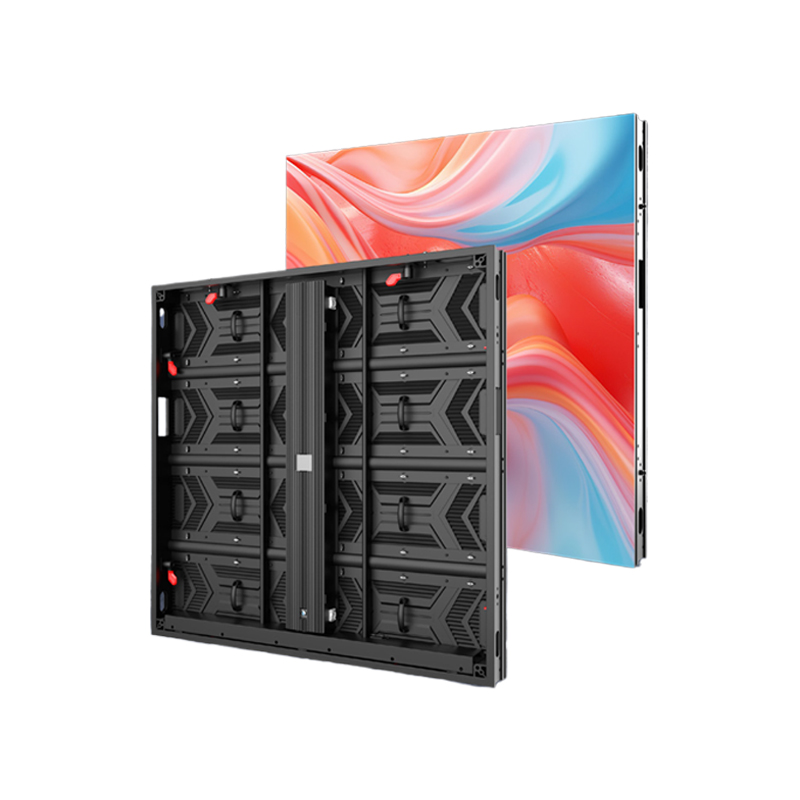
Outdoor BDD Series 1000×1000
High refresh rate, high contrast, and high grayscale, resulting in a more realistic and delicate display with vibrant and saturated colors.
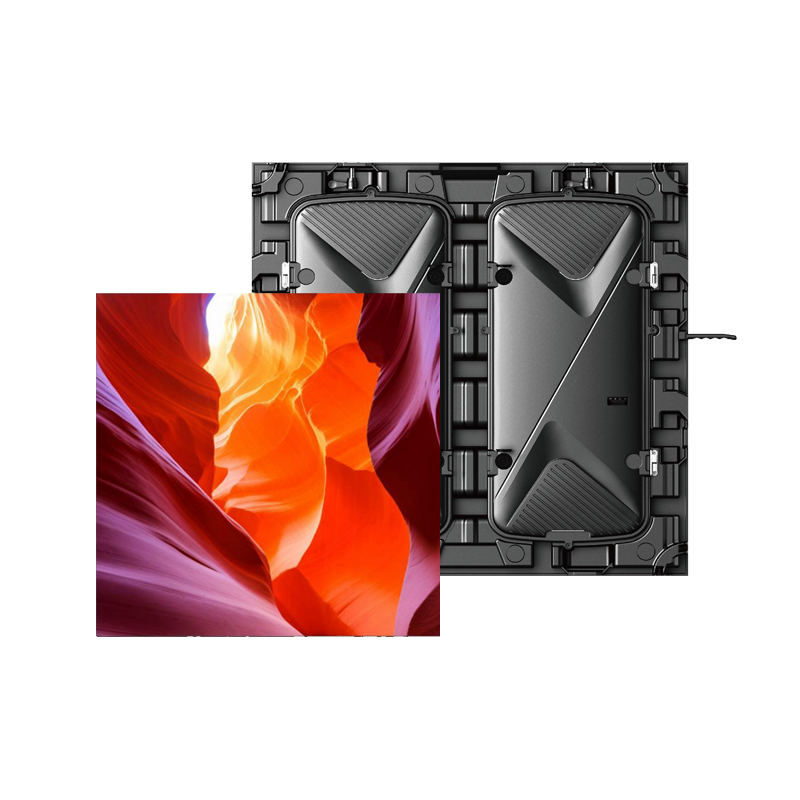
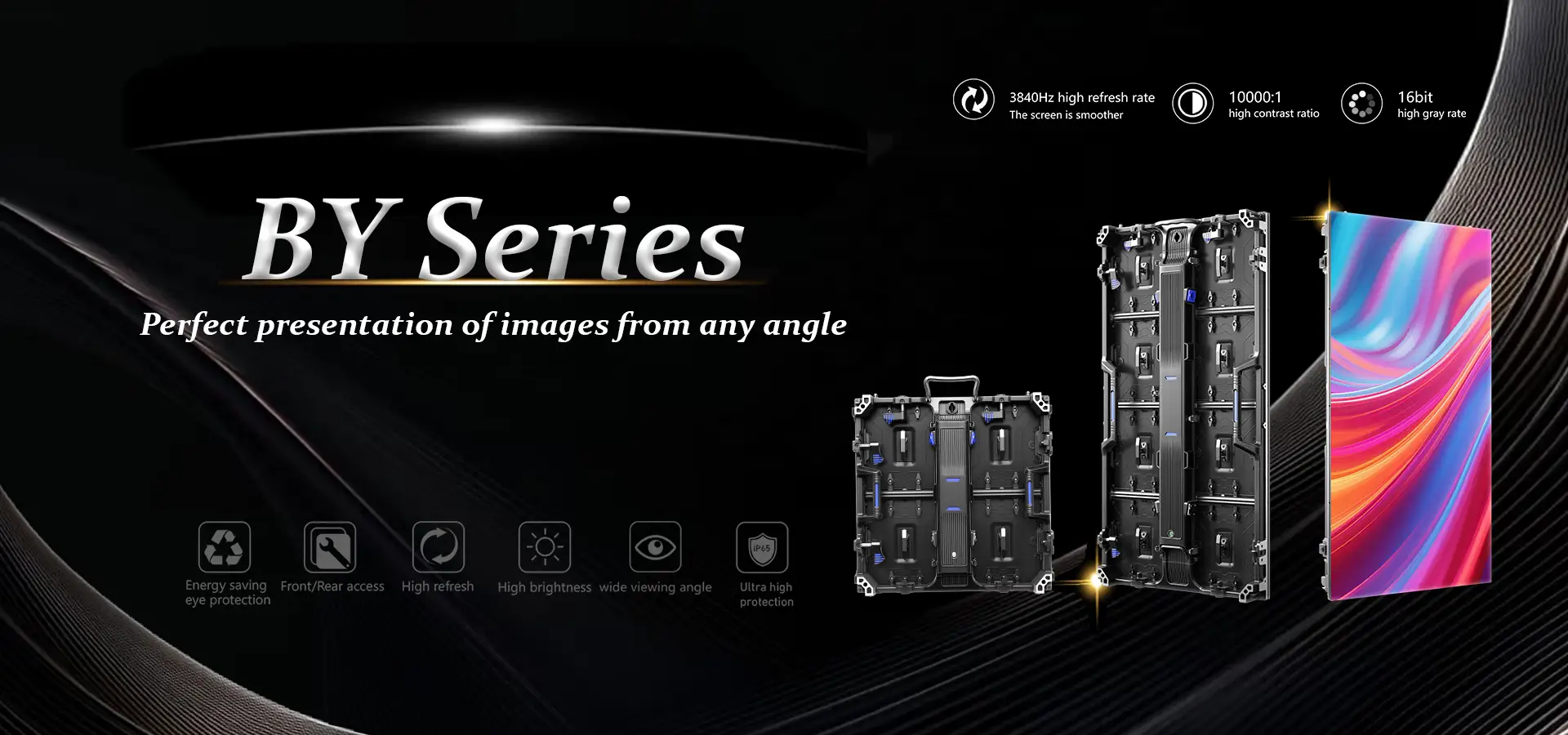
Outdoor BY Series 960×960
Aluminum profile cabinet is light weight, which saves tranportation cost and installation cost
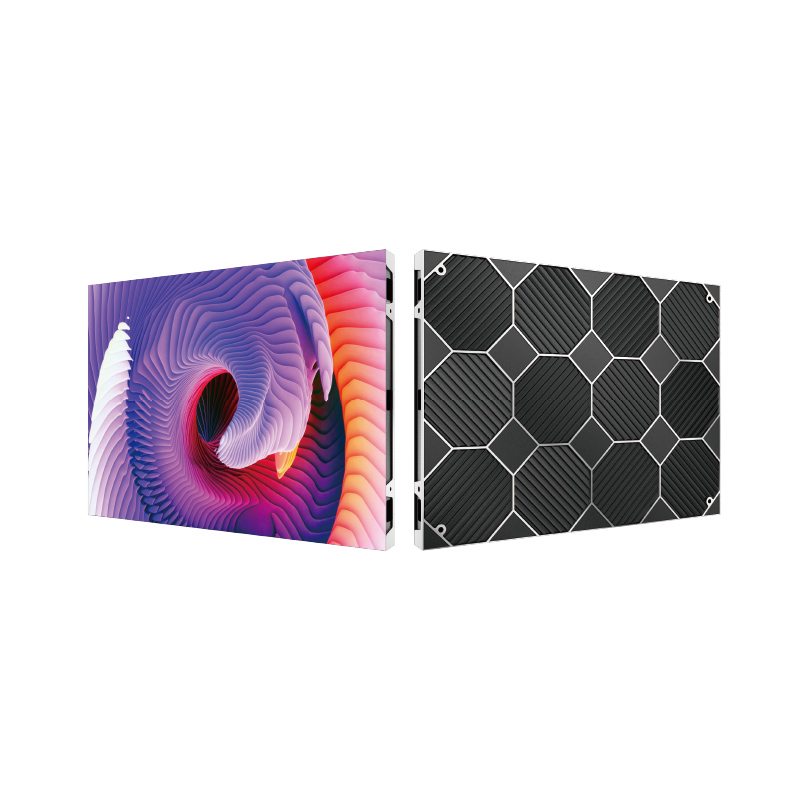
Indoor BT Series 640×480 Rigid
Robust and stable, high precision, supports system backup, full-series HUB hard-wired connection design.

faq
FAQ
This section answers frequently asked questions about our LED screen products, services, and policies. It helps you find information quickly without having to contact customer service.
A1.BLC Team is an LED display manufacturer established in 2017. 。
A two-year warranty is provided, with complimentary repair services during the warranty period.
Yes. BLC Team's LED display products have obtained ISO 9001 quality management system certification and comply with CE, RoHS, and FCC international standards.
Yes. BLC supports OEM private labeling and provides one-stop services from design to mass production.
The BLC team specializes in the application and R&D of LED displays. This includes LED rental screens, outdoor LED advertising screens, indoor LED fixed installation screens, LED poster screens, and more.
25
Years Experience
Over 2M+ Global Trusted Clients



















Contact us
recentblog articles
recent articles
Need LED screen solutions or have questions? Contact us!
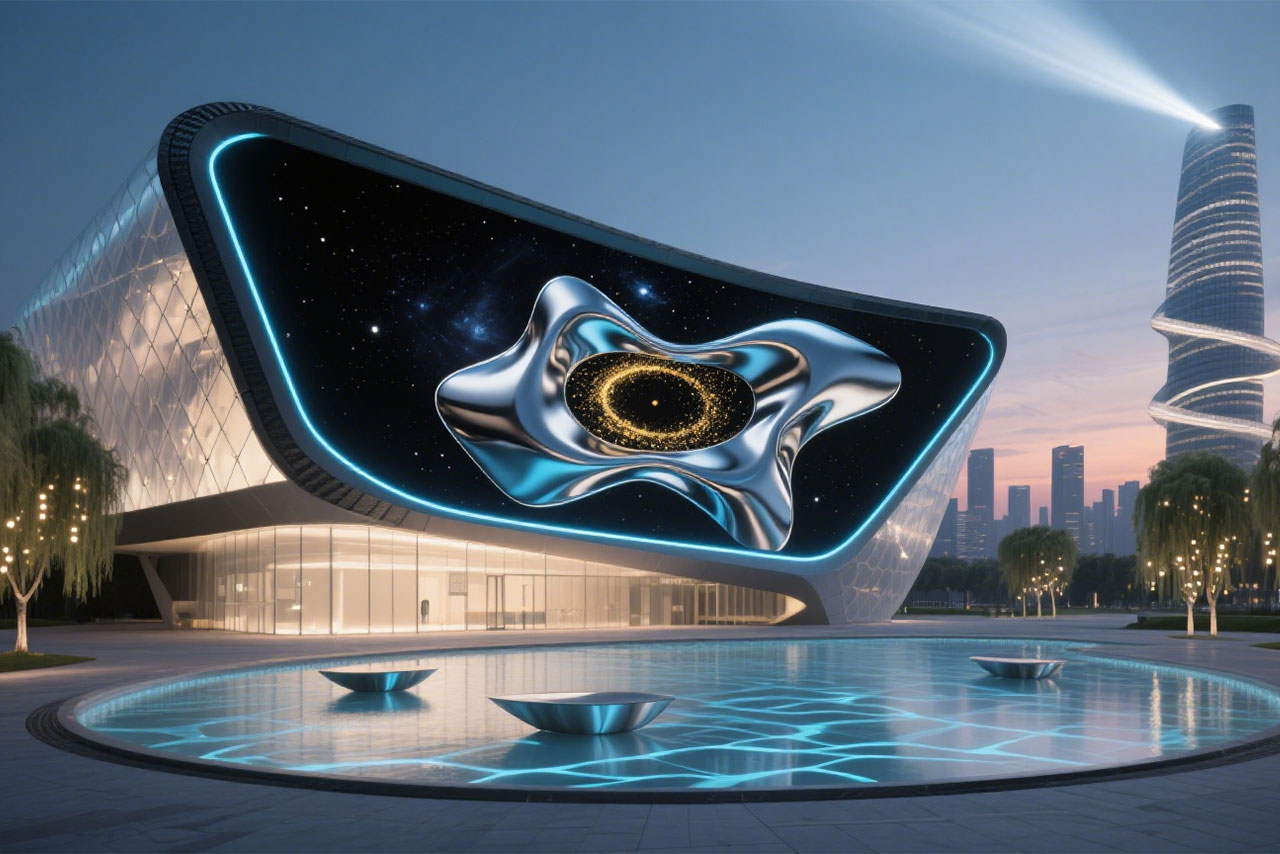
Beyond the Hardware: Full-Service DOOH LED Video Wall Solutions
14
October
Ask a DOOH advertiser to budget for an outdoor screen and the first number that lands on the desk is the panel. That is the wrong place to start, though. Whether the site earns its rent is decided by the structure above it, the power behind it, the system that pushes creatives to it, and whoever fixes it when a module finally drops out.
Looked at piece by piece, a full-service solution is much easier to compare on substance than on a single brightness figure.
The Panel Layer
An outdoor LED video screen is modular, and the panel itself has no idea what the weather is like where it is bolted. Two outdoor LED display cabinets with the same pixel pitch can age very differently, one on a salty coastal rooftop and the other wall-flushed into a mall facade. The difference shows up in everything engineered around the glass.
That is the whole reason full-service supply exists. Hand over panels and stop, and the structure, the power, the content pipeline, and the upkeep each become a separate problem, usually spread across several vendors. When the revenue depends on uptime, that split quietly turns into real money.
Sizing the Panel to the Site
Pixel pitch is the first real decision, because it sets how far away the image still reads cleanly, which tracks the traffic the site actually captures. A corner where people stand a few meters out wants a finer pitch than a highway gantry where the viewer is thirty meters away and moving fast, so the pitch choice is really a site choice.
A P3.91 outdoor LED display fits close, dense urban viewing. A coarser P10.42 outdoor LED screen is the sensible pick for roads and long-throw formats. Finer pitches pack more pixels per square meter, so peak power draw climbs, and the cabinet has to hold its brightness against direct sun.
Pixel pitch
Pixel density (dots/m²)
Typical brightness
Best viewing distance
DOOH fit
P3.91
65,536
5,500–10,000 nits
4–100 m
Urban street, plaza
P4.81
43,264
5,500–10,000 nits
5–100 m
Main road, mall
P6.25
25,600
6,000–10,000 nits
6–150 m
Arterial road
P10.42
9,216
6,000–10,000 nits
10–200 m
Highway, long-throw
Once pitch, brightness, and cabinet size are locked, the dimensions and weight of the build are set, and those numbers feed straight into the structure.
The Structure and Power Layer
Everything that holds the screen to the building sits here. Rooftop and billboard installs usually take rear-service cabinets, because the open back vents heat and leaves a safe corridor for a technician. Tight or sealed facades point the other way, toward front-service access with magnetic or rotary-wrench module removal.
Custom structure is where a factory-based supplier earns its keep. Wind load, mounting orientation, and the exact footprint all shift from one site to the next, so a stock box rarely lands on the right numbers.
The electrical side is just as important. A power supply and distribution set matched to the cabinet’s peak draw, running on a wide AC90–264 V input, is what lets the same hardware move between countries without a rewiring job.
The Content Control Layer
The control system is the piece that scales with the network. A single screen gets by on a local player. An advertiser running thirty sites cannot, and needs centralized scheduling: one place to push a campaign everywhere, swap a creative at a set hour, and confirm the change actually went out.
Remote, cloud-based playback is what turns a scattered portfolio into one asset an operations team can run without a technician on every site, and a full-service package ships that console as part of the delivery rather than as an add-on. The receiving-card and playback setup is configured during commissioning, so the advertiser’s own team holds the content workflow from day one.
Certifications and After-Sales
Compliance and logistics keep a cross-border network on time, and the certifications are not a marketing footnote on an outdoor product. ISO 9001 and ISO 27001 management certification, plus CE, RoHS, and FCC listing, is what makes the hardware acceptable across markets.
Supplying more than 110 countries means the same cabinet family has to clear different regimes, and a one-stop, factory-direct chain keeps the power, distribution, and documentation moving as one unit instead of three disconnected vendors.
After-sales is the layer buyers underestimate, because the pain points that quietly sink a DOOH network are downtime and slow repairs. A two-year warranty backed by a stocked parts inventory, on the order of five thousand components held for rapid replacement, keeps the screen earning instead of sitting dark while a spare part ships across an ocean.
The Complete Solution at Handover
Put it together and a full-service DOOH LED video wall solution is a site-sized panel, a custom structure and power architecture, a centralized content console, the certifications and logistics to move it into market, and a stocked after-sales layer behind it. That is what a buyer is really weighing when one offer prices a screen and another prices a running network.
For an advertiser building across several markets, that completeness is where a manufacturer like BLC becomes practical. With its own factory, the structure can be tailored to each site, the same hardware can clear different markets, and one accountable team carries the screen from installation through its service life.
After a site survey, the next step is straightforward. Match the pitch to the viewing distance, size the structure to the load, and confirm the control and after-sales terms before the panel order is placed.
FAQ
What does a full-service outdoor LED video wall include?
It covers the site-sized panel, the custom structural frame and power distribution, the content control system, the required certifications and documentation, and the after-sales parts and response.
How do I choose the right pixel pitch for a DOOH site?
Match the pitch to the normal viewing distance. Finer pitches, around P3.91 to P4.81, suit close, high-traffic urban sites; coarser pitches, P6.25 and up, suit roads and long-throw locations.
Do front-service and rear-service cabinets matter for outdoor installs?
Yes. Rear-service cabinets suit rooftops and billboards with a safe back corridor and good airflow. Front-service access suits tight or sealed facades where the back is not reachable. The choice comes from the physical install, not from the screen itself.
Can the same outdoor LED display hardware be used across different countries?
The outdoor cabinets run on a wide AC90–264 V input and carry CE, RoHS, and FCC listing, which supports reuse across markets. A factory-direct supply chain keeps the power, distribution, and documentation consistent between sites.
Why is the after-sales layer part of the decision, not an afterthought?
Downtime is what costs a DOOH network its revenue. A stocked parts inventory, a 24/7 response, and a defined rapid-response time keep the screen up between campaigns, which is what protects the return on a network meant to run continuously.

When Does a Direct-View LED Video Wall Beat LCD?
07
October
The LED-versus-LCD question is rarely settled by a spec sheet alone. A display can look excellent in a showroom and still disappoint once people read schedules at close range, walk past a lobby wall, or rely on it for daily information. The useful comparison begins with the room, the message, and the way viewers actually approach the screen.
Viewing Distance Sets the First Boundary
Viewing distance is the first practical filter because pixel structure becomes more noticeable as people move closer. Direct-view LED places the light-emitting pixels on the display surface, while an LCD uses a liquid-crystal panel with a backlight. That difference matters most when a screen must carry fine type, dense dashboards, or detailed images for people standing nearby.
A Direct-View LED video wall can suit a broad lobby, auditorium, or presentation space when the nearest meaningful viewing position matches the selected pixel pitch. The wall should be evaluated with real content at that distance, not with a looping demo viewed from the back of the room. Fine text, diagonal lines, and skin tones expose weak assumptions quickly.
Close Reading and Pixel Structure
Close-range work changes the decision because an LCD can deliver dense detail in a familiar panel format. A small meeting room, trading desk, or control point may value crisp spreadsheet text more than an uninterrupted image. In those cases, the right question is not whether LED is more impressive, but whether the content needs more pixel density at the actual viewing distance.
Content scale still matters because neither technology rescues a crowded layout. Before fixing the display type, place the smallest real text, map, or data view on a test canvas. If the message remains clear from the closest intended position, the display plan has a sound starting point.
Where Seams Change the Message
Seams matter when a message crosses the whole wall. An LCD video wall is built from separate panels, so even narrow bezels create a visible grid. That grid may be harmless for a multi-window dashboard, a bank of camera feeds, or several independent information zones. It becomes harder to ignore when a brand film, a large image, or a single directional graphic must read as one surface.
For that kind of brief, LED video wall panels built as a continuous display can preserve the intended composition across the full canvas. The benefit is visual continuity, not a reason to use LED in every room. A tiled LCD layout can still be the more proportionate choice when the grid supports the content rather than fighting it.
A Single Canvas for Architectural Content
A seamless splicing LED wall earns its place when the display is part of the architecture instead of a collection of screens. A reception feature, a long arrival corridor, or a public presentation wall can use the uninterrupted surface to make one gesture, one image, or one route easy to follow. The plan should still reserve a safe service path; a beautiful wall loses value if a small fault remains visible because no one can reach it.
Size Shape and Service Access
Physical constraints often decide the comparison before picture quality does. LED cabinets can form non-standard widths, heights, and aspect ratios, which helps when a wall must follow a feature space rather than a standard panel size. LCD is often easier to justify where a standard screen size meets the message need and the room does not demand a continuous canvas.
Map the closest viewer, the normal walking path, and the smallest content that must remain readable.
Confirm structure, power, signal, ventilation, and service access before fixing the display technology.
Confirm that the content source supports the intended canvas.
A large LED display screen is therefore strongest when scale or custom geometry is part of the communication problem. It is not automatically the better choice merely because the wall is large. The installation team should confirm the support structure, power route, signal plan, ventilation, and maintenance direction before promising a seamless result.
Project condition
Direct-view LED is stronger when
LCD remains a sensible fit when
Image continuity
A single wide canvas or unusual aspect ratio is central to the brief.
A tiled layout is acceptable and the bezel grid does not interrupt the content.
Viewing pattern
Most viewers stand far enough away for the selected pitch and content scale.
People read detailed text or work close to the display for long periods.
Physical plan
The wall must span a large area, integrate with architecture, or allow module-level service.
A fixed standard size, shallow installation plan, and simple panel replacement suit the room.
What BLC LED Adds to a Close-Range Project
Once close viewing, a continuous image, and the physical envelope all point toward LED, the cabinet design deserves attention. BLC LED offers COB fine-pitch BN configurations in 640 x 480 mm cabinet formats, with front maintenance and 90-degree splicing support. Those features are relevant when a team needs a compact wall to sit neatly within an indoor environment while keeping an access route for future work.
For an indoor project, a commercial LED display should be judged by the full viewer journey: the nearest reading point, the normal walking route, the content source, and the way a technician will restore a module. This keeps the conversation on the result the room needs rather than on a list of isolated specifications.
A Practical Choice for the Brief
Direct-view LED makes more sense than LCD when the brief needs a large uninterrupted image, a custom display shape, or a serviceable modular surface and the selected pitch suits the nearest viewer. LCD remains a strong answer when close-up detail, standard dimensions, a tiled information layout, or a tighter initial equipment budget matters more than a seamless canvas.
The decisive next step is a content-and-distance review in the real space. Test the smallest important information, identify where people pause, and decide whether bezels help or interrupt the message. That process produces a defensible choice without turning either technology into a default answer.
FAQ
Is a direct-view LED wall always better for a large room?
No. A large room can still suit LCD if the content is split into separate zones, viewers need close-up detail, or a panel grid does not interfere with the intended message.
Why do LCD video walls show lines between screens?
LCD walls use individual display panels. Their bezels create the visible joins, although narrow-bezel models can make those joins less noticeable for many information layouts.
Does a smaller pixel pitch make every LED wall better?
No. A smaller pitch can support closer viewing, but it should match the nearest audience position and the content. Extra detail that viewers do not need adds cost without improving the message.
Can an LED video wall use a non-standard aspect ratio?
Yes. Modular cabinets can be arranged for project-specific widths and heights when the structure, signal mapping, and service access are planned together.
What should be tested before choosing LED or LCD?
Test real content from the closest viewing position, inspect whether seams interrupt the layout, confirm the available installation space, and plan how the display will be serviced after handover.
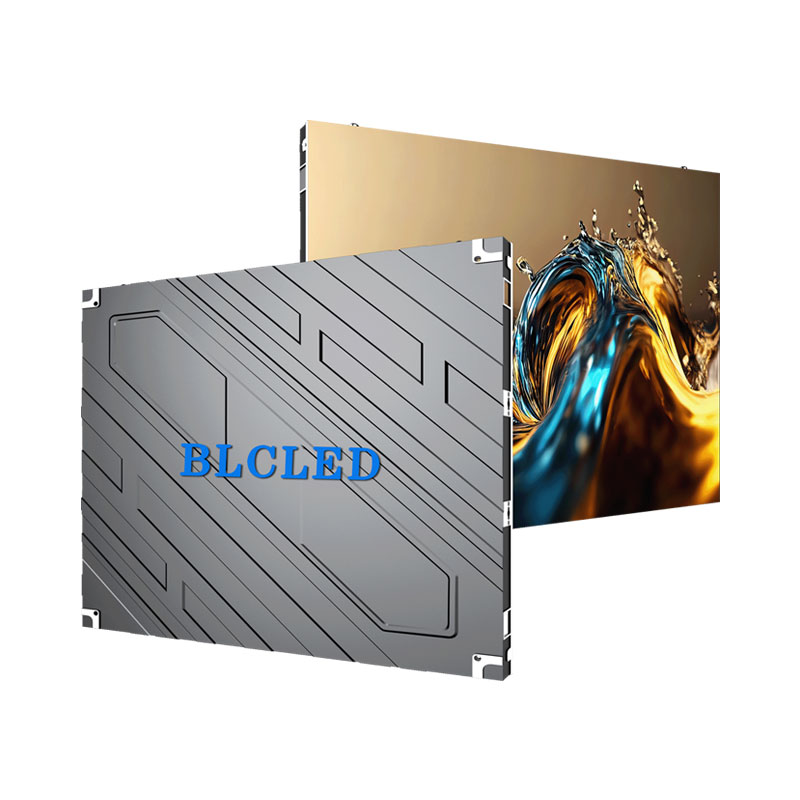
When Does COB Make Sense for Indoor Advertising?
30
September
Indoor advertising is often judged at close range, where a visitor notices fine text, dark backgrounds, reflections, and the surface of the screen itself. COB and SMD are two LED packaging approaches, but the useful choice begins with what people will see and how the site will operate.
Close viewing changes the decision
Close viewing makes pixel structure and surface protection more important because people pause beside a reception wall, menu board, or retail feature rather than only looking from across the street. COB packages the LED chips directly on the board and protects them with an encapsulated surface. SMD uses separately mounted LED packages on the module. Both can serve indoor projects, but they solve different priorities.
A fine pitch LED display needs to be judged with the smallest real message at the nearest expected viewing point. A product launch loop may look attractive from several metres away while a price, a room label, or a directional line can still feel crowded when someone stops close to the wall.
Surface resilience is one part of COB’s value
COB can be a strong fit where the screen may be viewed closely and its surface needs an added margin against incidental contact. That can matter in public lobbies, interactive areas, showrooms, and control environments, where a small scratch or damaged package is more visible than it would be on a distant facade. The full installation still needs appropriate access and cleaning procedures.
SMD remains a practical option for many indoor walls because its established package format supports a wide range of pixel pitches and cabinet designs. The selection should not be reduced to a claim that one technology is universally superior. Content detail, ambient light, cabinet geometry, maintenance method, and operating hours can outweigh a packaging label.
Advertising content exposes the real requirements
Advertising content is a useful test because it mixes logos, product images, moving backgrounds, and short lines of text. A screen that handles a bright promotional film may still need a calmer layout for legible wayfinding. The display and the content should be evaluated together, especially where visitors see the wall while walking, waiting, or standing at a counter.
An indoor LED display screen benefits from a test playlist that includes the smallest approved type size, a dark image, a high-contrast logo, and a motion sequence. This reveals whether the planned pitch and surface treatment support the message before the creative team commits to a final format.
Site condition
COB may be especially relevant
What still needs confirmation
Close indoor viewing
Fine content is read at a short distance and a protected surface is valuable.
Pixel pitch, source resolution, and text size at the actual viewer position.
Public touch risk
A screen sits where passers-by, trolleys, or frequent cleaning create incidental contact.
Mounting height, cleaning method, access control, and repair approach.
Architectural feature wall
The wall needs a clean, high-precision visual surface in a controlled environment.
Cabinet alignment, ambient light, service route, and long-term content plan.
Cabinet design still determines the installed result
Packaging technology cannot correct a wall that is difficult to align or impossible to service. The cabinet must support the selected layout, and the site must leave a workable route for module, power, and signal maintenance. Those basics protect image continuity after the opening day, when a fast repair matters more than a feature list.
For fixed interiors, a fixed–installation LED screen should connect cabinet precision with the room’s operating needs. BLC LED’s COB fine-pitch BN series is available in 640 × 480 mm cabinets, supports front maintenance, and can form 90-degree splicing arrangements. These are relevant details when a compact indoor wall must fit an architectural surface without losing future access.
SMD is not the wrong answer by default
SMD can remain a sound choice when the viewing distance, content scale, and surface exposure do not justify a COB-focused approach. A project should compare the complete installed solution rather than a single module label: image performance in the room, total wall size, brightness control, spares strategy, expected service work, and the content that will run every day.
A conference-room HD LED video wall, for example, may place a premium on detailed presentations and calm viewing over a controlled schedule. A busy retail entry may place more weight on durability, visual consistency, and short messages read in passing. A full-color LED display in either setting still needs content that fits the actual viewer journey. The site use case gives the comparison its meaning.
A test wall should mirror the final use
A credible comparison uses the room’s own content, light, and viewing positions instead of a generic showroom sequence. Testers should stand where visitors stand, not only where installers can see the whole screen. This makes it easier to spot text that feels too small, motion that distracts from the message, or reflections that change the intended contrast.
Use the approved content rather than a generic demo loop.
Check the smallest message from the nearest expected position.
Confirm who can service the wall without disrupting the space.
A useful decision for an indoor brief
COB makes the strongest case for indoor advertising when close viewing, fine visual detail, and a more protected display surface are central to the actual site. SMD can be equally appropriate when those conditions are different. The next decision should be based on a room-specific content test and a service plan, not on a broad claim about packaging technology.
FAQ
Is COB always better than SMD for indoor advertising?
No. COB can be particularly useful for close viewing and protected surface needs, while SMD remains suitable for many indoor applications. The room and content should decide.
Why does viewing distance matter for COB and SMD?
Viewing distance determines how much fine pixel detail people can perceive. It helps set the suitable pixel pitch and content scale for either technology.
Can COB be used in a public lobby?
It can be a relevant option when the wall is viewed closely and the project values a protected visual surface. Installation, cleaning, and service access must still be planned.
What content should be tested before approval?
Test the smallest real text, a dark image, a logo with fine edges, and moving content in the installed lighting conditions.
Does cabinet maintenance matter if the image looks good on day one?
Yes. A display needs a safe route for future module, power, and signal work. Planned access helps protect uptime and image continuity.